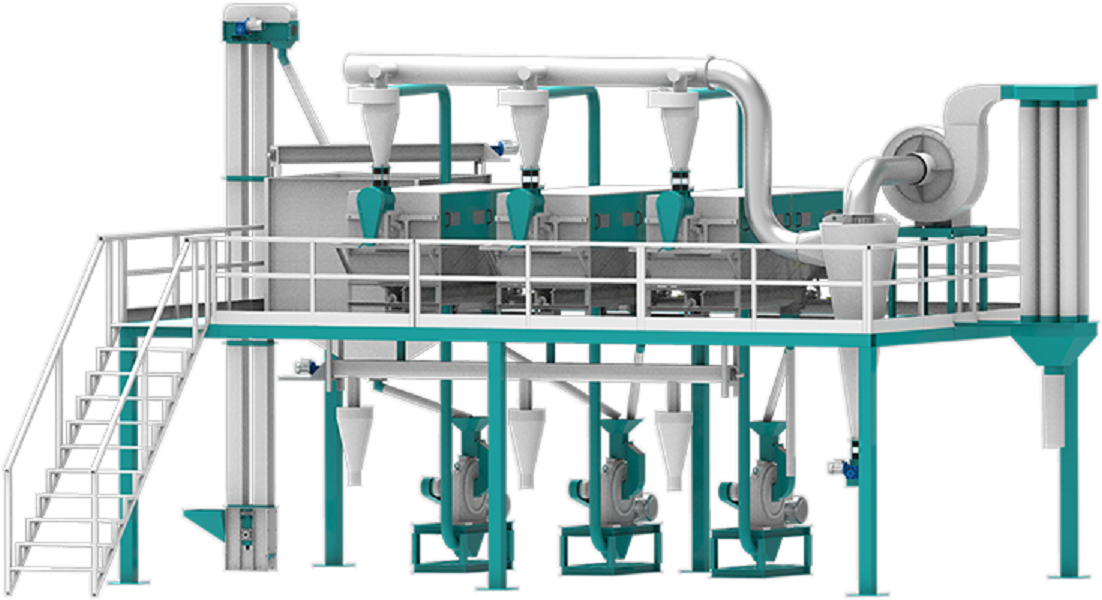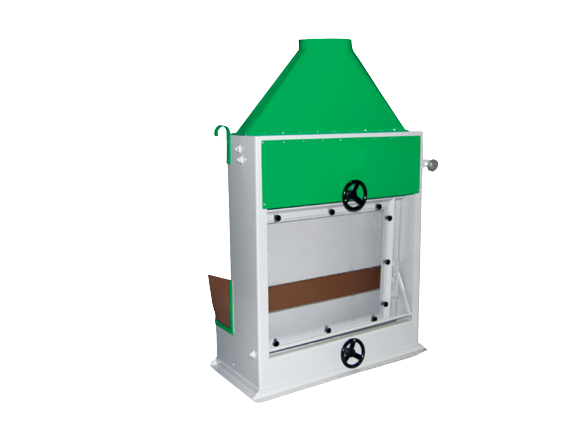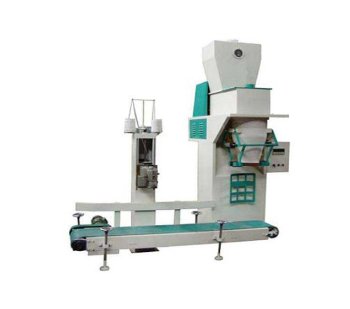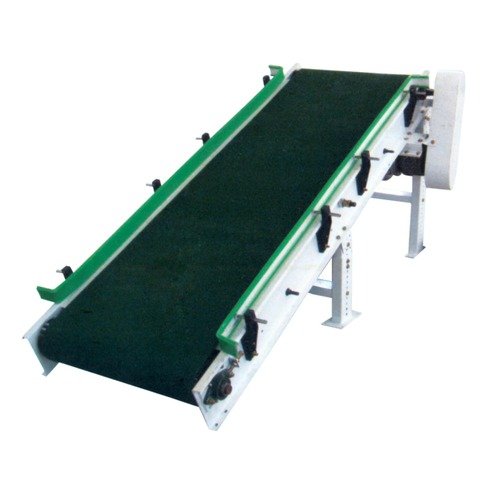

An atta chakki plant is a grain milling setup that cleans, grinds, and packages wheat (or other grains) into flour. The industry mainly has two formats:
Traditional Chakki Mills
Stone grinding
Popular for fresh whole wheat atta
Strong demand in local markets
Roller Flour Mills
Large industrial plants
High automation
Produce maida, sooji, bran, packaged atta
India has thousands of flour mills and chakki plants operating nationwide.
Industry Size & Opportunity
India’s grain processing and milling sector is growing because:
Wheat consumption remains huge
Packaged atta demand is rising
Urban consumers want branded flour
Multigrain and health-focused products are expanding
The broader food-processing industry is also growing steadily with strong domestic demand and government support.
According to industry exhibition data:
India processes over 200 million tonnes of grain annually
The ecosystem includes:
5,000+ flour mills & chakki plants
thousands of rice, pulse, spice, and feed mills
Typical Plant Categories
Plant Type Capacity Investment Range Target Market
Small shop chakki 10–50 kg/hr ₹50k–₹5 lakh Local retail
Mini flour mill 50–300 kg/hr ₹5–15 lakh Local packaged atta
Semi-automatic plant 1–10 TPD ₹15–75 lakh Regional distribution
Industrial roller mill 50–300 TPD ₹2–20+ crore Large brands/export
(Investment depends on automation, land, packaging, and power setup.)
Main Machines Used
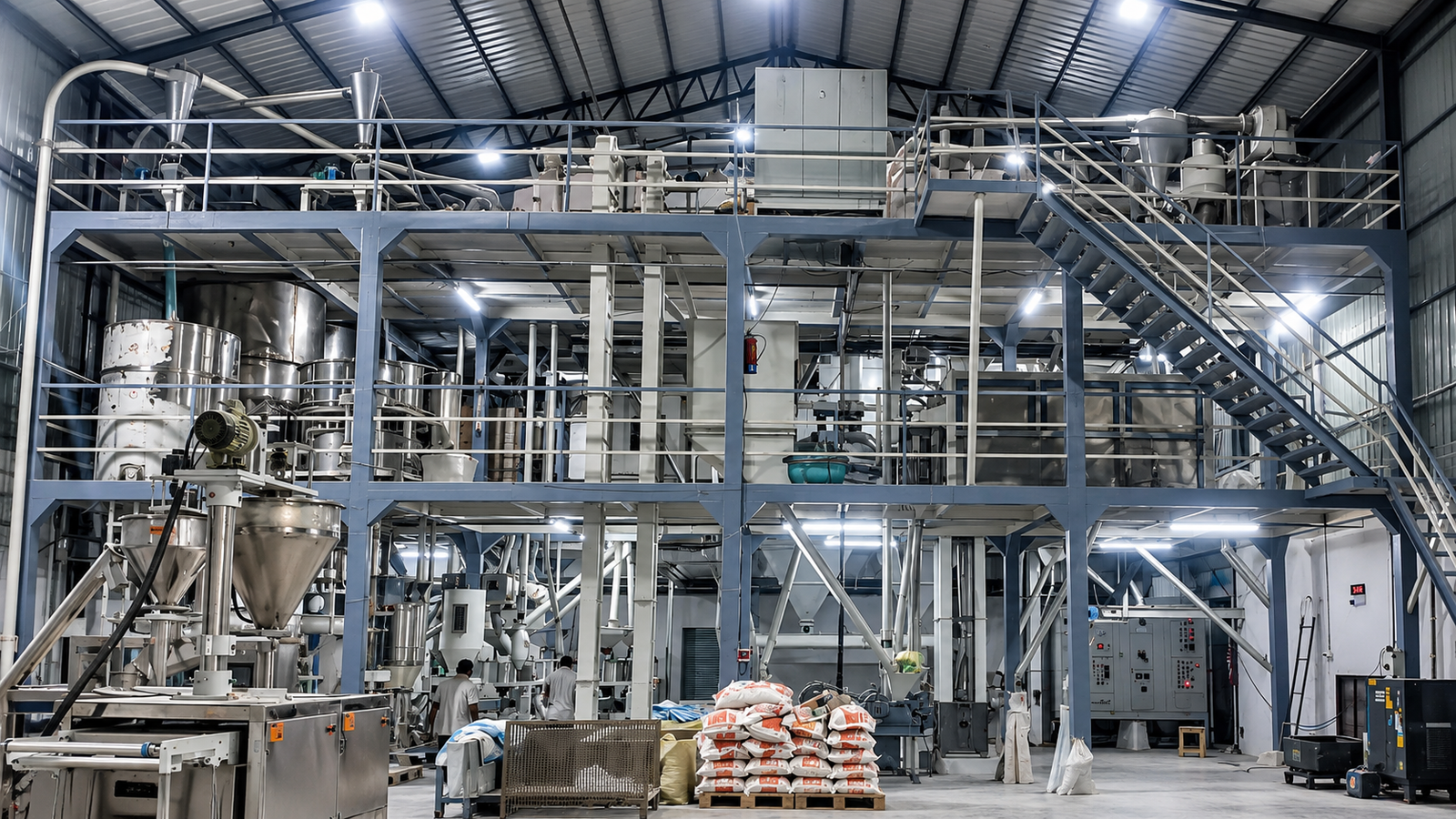
A modern grain milling plant usually includes:
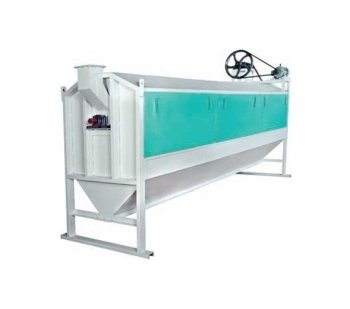
Grain cleaner
Destoner
Wheat washer
Dryer
Pulverizer / chakki
Plansifter
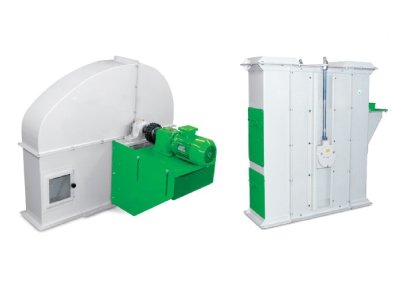
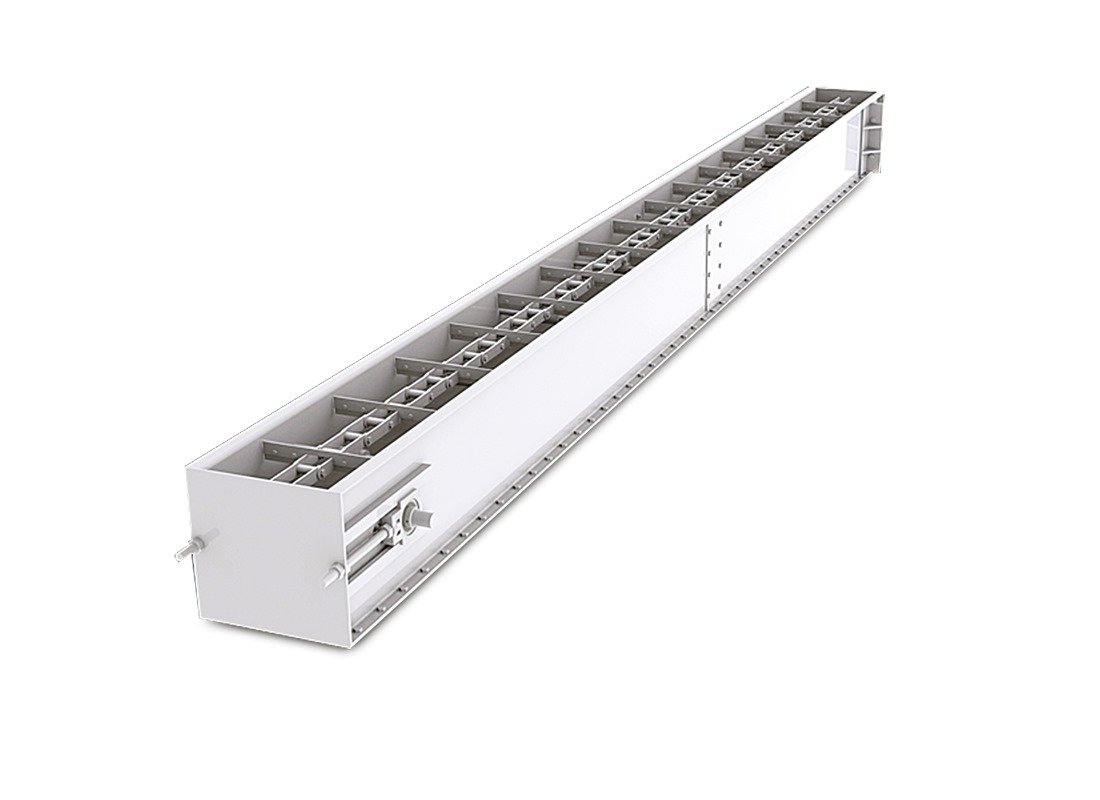
Bucket elevators
Packing machine
Dust collection system
Larger plants also add:
PLC automation
Pneumatic conveying
Fortification systems
Automatic packaging lines
Modern systems now focus heavily on hygiene, energy efficiency, and consistent flour quality.
Capacity Examples
Commercial atta chakki systems commonly run:
3–5 HP for small shops
7.5–15 HP for mini flour mills
20–300 tons/day for industrial plants
Profit Drivers
The most profitable mills usually focus on:
Local fresh atta delivery
Branded packaged flour
Multigrain blends
Custom grinding
Low electricity cost
Bulk institutional supply
Electricity and wheat procurement are major cost factors.
Many operators are now exploring:
Solar-powered mills
Automation
Direct farmer sourcing
Health-focused flour brands
Community discussions show solar-powered atta chakkis are becoming increasingly common in rural and semi-urban setups.
Consumer Trends
Demand is shifting toward:
Fresh chakki atta
Stone-ground flour
Multigrain products
High-fiber flour
Chemical-free branding
Consumers increasingly compare local chakki quality with packaged brands. Reddit discussions show many buyers still trust reliable neighborhood mills for customization and freshness.
Major Industry Segments
The milling industry serves:
Household retail
Kirana shops
Hotels & restaurants
Bakeries
Food manufacturers
Export markets
Some established Indian flour mills now operate highly automated plants processing hundreds of tonnes daily.
Key Challenges
Power costs
Wheat price volatility
Competition from packaged brands
Quality consistency
Dust & hygiene compliance
Shelf-life management
Whole wheat atta has shorter shelf life because of natural oils in the germ layer.
Good Business Models in 2026
The strongest opportunities right now are:
Local premium fresh atta
Multigrain blends
Small automated packaged flour plants
Village-level milling hubs
Solar-assisted operations
Contract grinding for retailers
Industry Events & Networking
One major Indian industry event is:
GrainTech India 2026 — focused on flour milling, grain processing, packaging, and machinery.
If you want, I can also help with:
complete atta chakki plant setup cost
machinery list
project report
profit margin calculation
plant layout
government licenses
small vs automatic flour mill comparison
Punjab market opportunities
solar atta chakki setup
wheat flour branding ideas
machinery manufacturers in India