
Three Stages of Parboiling
Stage 1 – Pre-Hydration / Pre-Steaming
Cleaned paddy is subjected to low-pressure steam to increase husk porosity and strengthen starch bonding inside the grain.
Benefits:
- Improves moisture penetration
- Enhances grain strength
- Reduces breakage during milling
Stage 2 – Hydration / Soaking
Paddy is soaked in controlled hot water tanks to allow moisture absorption and movement of nutrients from bran to endosperm.
Benefits:
- Uniform moisture distribution
- Better cooking quality
- Improved nutritional retention
Stage 3 – Gel Cook / Final Steaming
The hydrated paddy is steamed under controlled temperature and pressure to gelatinize starch and complete the parboiling process.
Benefits:
- Hardens rice kernels
- Improves head rice yield
- Enhances shelf life and texture
Modern systems maintain temperatures around 90–100°C for proper starch gelatinization.
Process Flow
Raw Paddy → Cleaning → Pre-Steaming → Soaking → Final Steaming → Drying → Cooling → Milling → Polishing → Grading → Color Sorting → Packing
Main Equipment Included
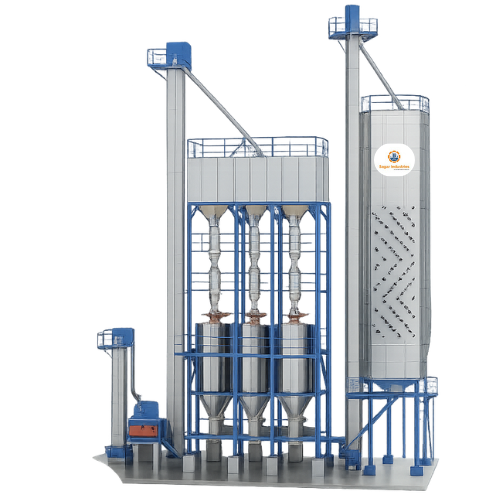
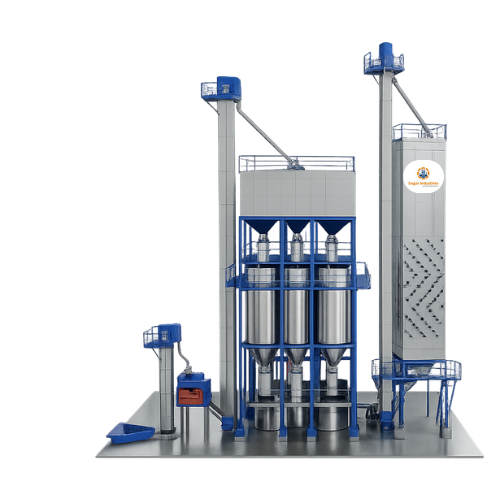
A complete 3-stage paddy parboiling plant generally includes:
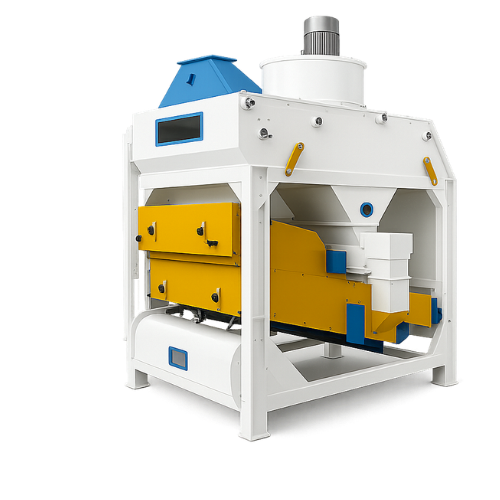
- Paddy cleaners
- Soaking tanks
- Pre-steaming tanks
- Gel cook / steaming tanks
- Steam boilers
- Heat exchangers
- Paddy dryers
- Bucket elevators
- Screw conveyors
- Storage silos
- Cyclones & dust collectors
- Control panels / PLC automation
- Rice milling section
Advanced plants also include:
- Automatic moisture control
- Pneumatic systems
- Energy-efficient steam distribution
- Husk-fired furnace systems
Plant Capacity
3-stage plants are available in various capacities such as:
| Capacity | Suitable For |
|---|---|
| 2–4 TPH | Small rice mills |
| 5–10 TPH | Medium commercial mills |
| 10–30+ TPH | Large industrial rice plants |
Commercial manufacturers offer systems ranging from 30 TPD to 2000 TPD capacities.